
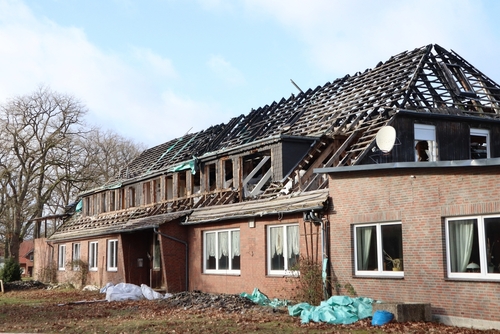
When it comes to insuring your home or commercial property, choosing the right insurance policy is crucial. Two common types of coverage you will encounter are Replacement Cost Value (“RCV”) and Actual Cash Value (“ACV”) policies. While both provide financial protection in the event of damage or loss, they differ significantly in how they compensate policyholders.
At RS Law LLP, we frequently assist clients in understanding their insurance policies and ensuring they receive fair compensation after a property loss. In this blog, we will break down the key differences between these two types of coverage to help you make an informed decision.
What Is Replacement Cost Insurance?
A Replacement Cost policy covers the expense of repairing or replacing damaged property with materials of similar kind and quality, without deducting for depreciation. This means you will receive enough money to rebuild or repair your property to its original condition, regardless of its age or wear and tear.
Key Features of Replacement Cost Coverage:
- No Depreciation Deduction – After payment of the undisputed actual cash value, you are later indemnified for the full cost of replacing the damaged item.
- Higher Premiums – Since the insurer pays more, these policies tend to cost more than ACV policies.
- Better Protection – Ideal for newer properties or high-value items where depreciation would significantly reduce payout.
Example: If a fire destroys your 10-year-old roof, a replacement cost policy would pay for a brand-new roof of similar quality, even if the old one had depreciated over time.
What Is Actual Cash Value Insurance?
An Actual Cash Value (ACV) policy indemnifies you for the current market value of the damaged property, accounting for depreciation. This means you will receive a payout based on the item’s age, condition and remaining useful life.
Key Features of Actual Cash Value Coverage:
- Depreciation Applied – Payouts are reduced based on the item’s age and wear.
- Lower Premiums – Since the insurer pays less, these policies are generally cheaper.
- Risk of Underinsurance – Older properties may receive significantly less than needed for full repairs.
Example: If that same 10-year-old roof is destroyed, an ACV policy would pay only a portion of the replacement cost, factoring in depreciation (e.g., if the roof’s lifespan was 20 years, you might get only 50% of the replacement value).
Which Policy Is Right for You?
The best choice depends on your financial situation, property value and risk tolerance:
Choose Replacement Cost if:
- You want full coverage without depreciation deductions.
- You own a newer property or high-value items.
- You can afford slightly higher premiums for better protection.
Choose Actual Cash Value if:
- You are looking for lower premiums.
- Your property is older, and you are comfortable with a reduced payout.
- You have sufficient savings to cover potential gaps.
Why Legal Guidance Matters
Insurance disputes often arise when policyholders do not fully understand their coverage or when insurers undervalue claims. If you have experienced a loss and believe your insurer isn’t offering a fair settlement, consulting a lawyer can help ensure you receive the compensation you deserve.
At RS Law LLP, we specialize in insurance claim disputes and can help you navigate complex policy language, negotiate with insurers and take legal action if necessary.
Have Questions About Your Insurance Policy?
Protect your property—and your rights—with the right insurance and legal support.
If you are unsure about your coverage or need assistance with a claim, contact our experienced attorneys today for a consultation.
Seth H. Hochbaum, Esq.
Tyler O. Casey, Esq.
RS Law LLP
401 Edgewater Pl, Suite 630
Wakefield, MA 01880
www.rslawma.com
*This blog provides general information about Massachusetts insurance law and is not intended to provide legal guidance or establish an attorney-client relationship. Policy terms vary, and each case is unique. Consult an attorney for advice about your specific situation.*